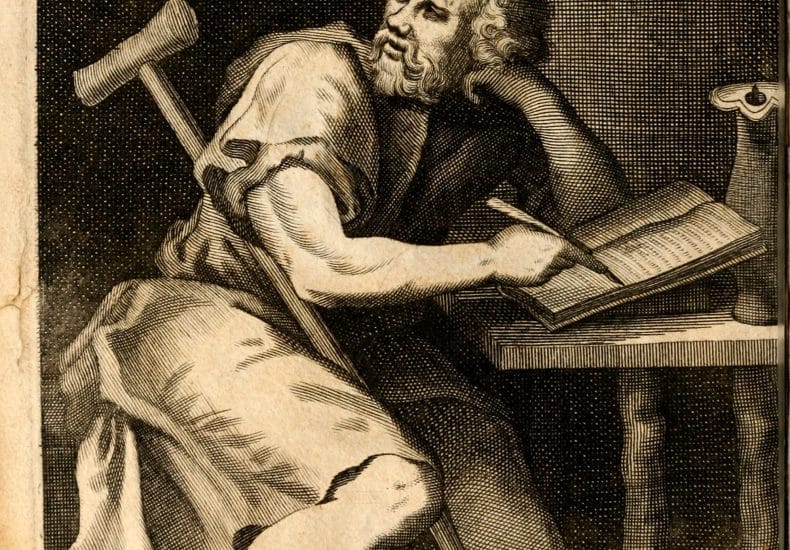
Epictetus
Epictetus, a significant figure in Stoic philosophy, lived a remarkable life that resonates with many even today. Born around 50 AD in Hierapolis, Phrygia, he experienced the harsh realities of bondage. His journey from slavery to becoming one of history’s most esteemed philosophers is not only inspiring but also instructive. In this article, we will delve into the life and teachings of Epictetus, exploring the profound insights he shared about human existence and virtue.
Early Life and Struggles
Epictetus spent his childhood in slavery. His master, Epaphroditus, was a wealthy freedman and secretary to Emperor Nero. Despite these difficult beginnings, he nurtured a passion for philosophy. With permission to study under Musonius Rufus, Epictetus embraced the Stoic ideals that emphasized living in accordance with nature and focusing on what is within our power.
During this time, he faced a grave injury, reportedly due to his master’s cruelty—his leg was intentionally broken. Despite his disability, he didn’t allow these challenges to dampen his quest for knowledge and wisdom. His experiences shaped his philosophical outlook and teachings.
Philosophical Awakening
Epictetus’ philosophical journey began in earnest after gaining his freedom following Nero’s death in 68 AD. He moved to Rome, where he taught philosophy until Emperor Domitian expelled philosophers from the city in 93 AD. Subsequently, he settled in Nicopolis, Greece, where he founded a school that would serve as a bastion for Stoic thought.
His core belief was revolutionary: philosophy should not be merely theoretical but a way of life. He urged his students to focus not on external events, which lie outside our control, but on their reactions to those events. This inherent wisdom is captured in his influential works, particularly the Discourses and the Enchiridion.
Prohairesis: The Key to Control
Central to Epictetus’ teachings is the concept of prohairesis, or the capacity for choice. According to him, the only true freedom exists in our ability to choose how we react to circumstances. He articulated that our opinions, desires, and aversions are within our power, while external things—such as possessions or status—are not.
Epictetus famously stated, “What is not in our power… are our bodies, possessions, glory, and power.” This differentiation is crucial. When individuals misunderstand what is within their control, they invite distress and discontent into their lives. The principle of distinguishing between the controllable and uncontrollable remains vital for personal serenity.
Good and Evil: A Stoic Perspective
For Epictetus, the essence of being good resides within reason. He believed that rational thought guides us to virtue. Conversely, irrational thoughts lead to misery and chaos. He warned that pursuing pleasure could distract us from true happiness, which comes from living a virtuous life.
Epictetus taught that proper philosophy purifies the mind. By focusing on what is genuinely good, individuals can maintain peace and clarity, even amid life’s inevitable turmoil. His teachings encourage people to find contentment not in external validations but in internal moral clarity.
The Role of Community and Duty
Epictetus recognized that human beings are inherently social creatures. Our roles within families and communities shape our identities. He urged adherence to our duties as parents, children, and citizens. He emphasized that personal sacrifice for the greater good is part of a fulfilling life.
The Stoic sage, in Epictetus’ view, would approach life like a traveler at an inn. As he described, “Whatever is offered we take with thankfulness.” This metaphor beautifully illustrates a Stoic’s acceptance of circumstances and the inevitability of fate.
Influence and Legacy
Epictetus’ influence stretches across centuries and disciplines. His work inspired notable historical figures like Emperor Marcus Aurelius. In his personal writings known as the Meditations, Aurelius often reflected on Stoic principles that echo Epictetus’ doctrines.
Moreover, Epictetus’ thoughts reached the Enlightenment philosophers, including Voltaire and Montesquieu. Each found solace and guidance in his writings. The Stoic philosophy also influenced modern psychological frameworks such as Rational Emotive Behavior Therapy, founded by psychologist Albert Ellis.
One of the most poignant modern applications of Epictetus’ teachings came through U.S. Navy Admiral James Stockdale. During his captivity as a prisoner of war in Vietnam, Stockdale used Epictetus’ philosophies to maintain his sanity and dignity. He famously declared, “I’m leaving the world of technology and entering the world of Epictetus!” This mantra exemplified the enduring power of Stoicism amid extreme adversity.
Conclusion: Embracing the Stoic Path
The teachings of Epictetus offer timeless wisdom for navigating modern life’s complexities. By understanding the distinction between what we can control and what we cannot, we empower ourselves to cultivate resilience in adversity.
His insights encourage us to act with integrity, pursue wisdom, and maintain tranquility in the face of challenges. In embracing the Stoic path, we become participants in a larger narrative, fulfilling our roles in the grand scheme of life.
Whether you are a seasoned philosopher or just beginning your journey, the enduring lessons from Epictetus can help illuminate your path. By adopting a Stoic mindset, we can navigate life’s unpredictable terrain with grace, courage, and unwavering clarity.